Land Clearing Service in Lynnville, Tennessee
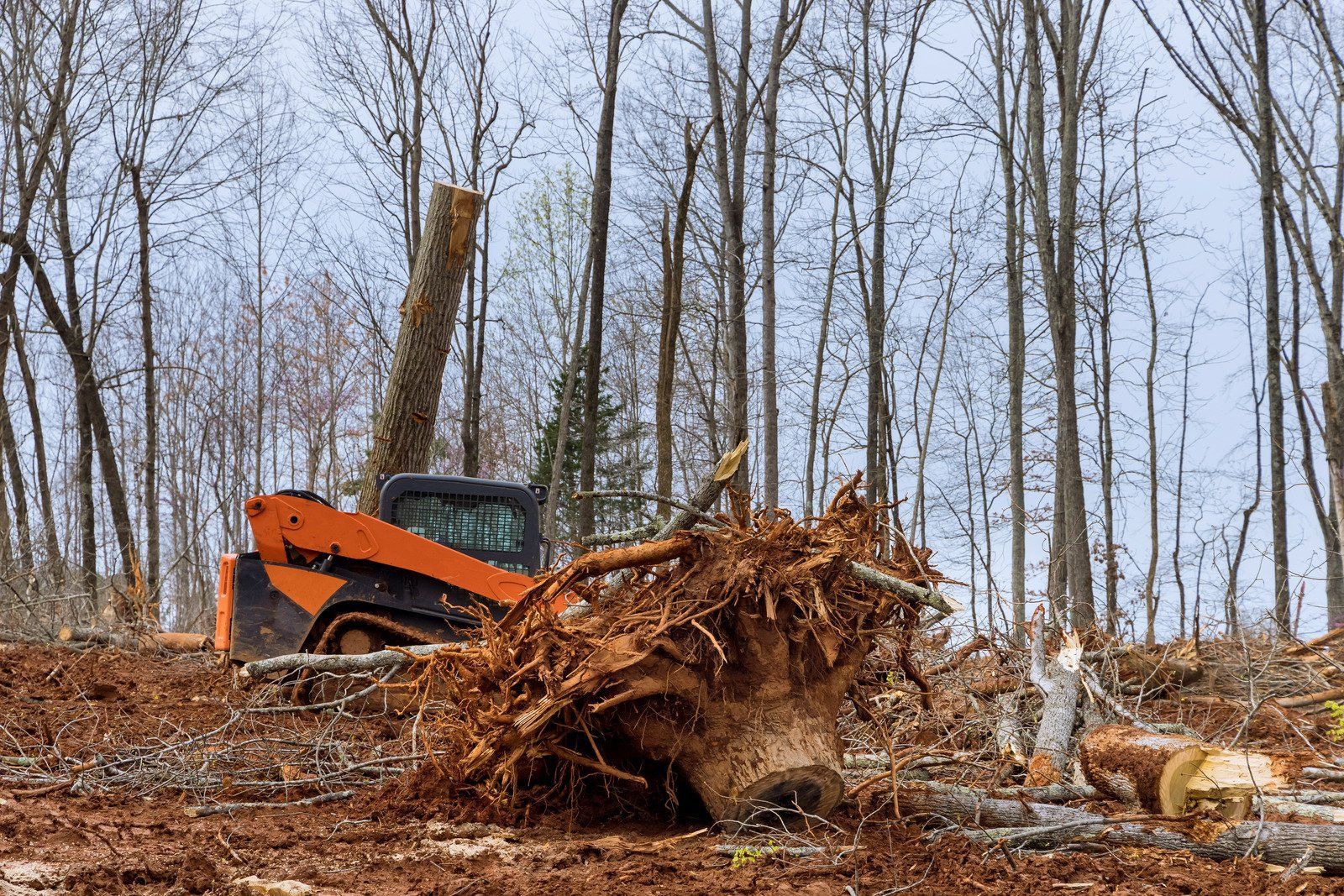
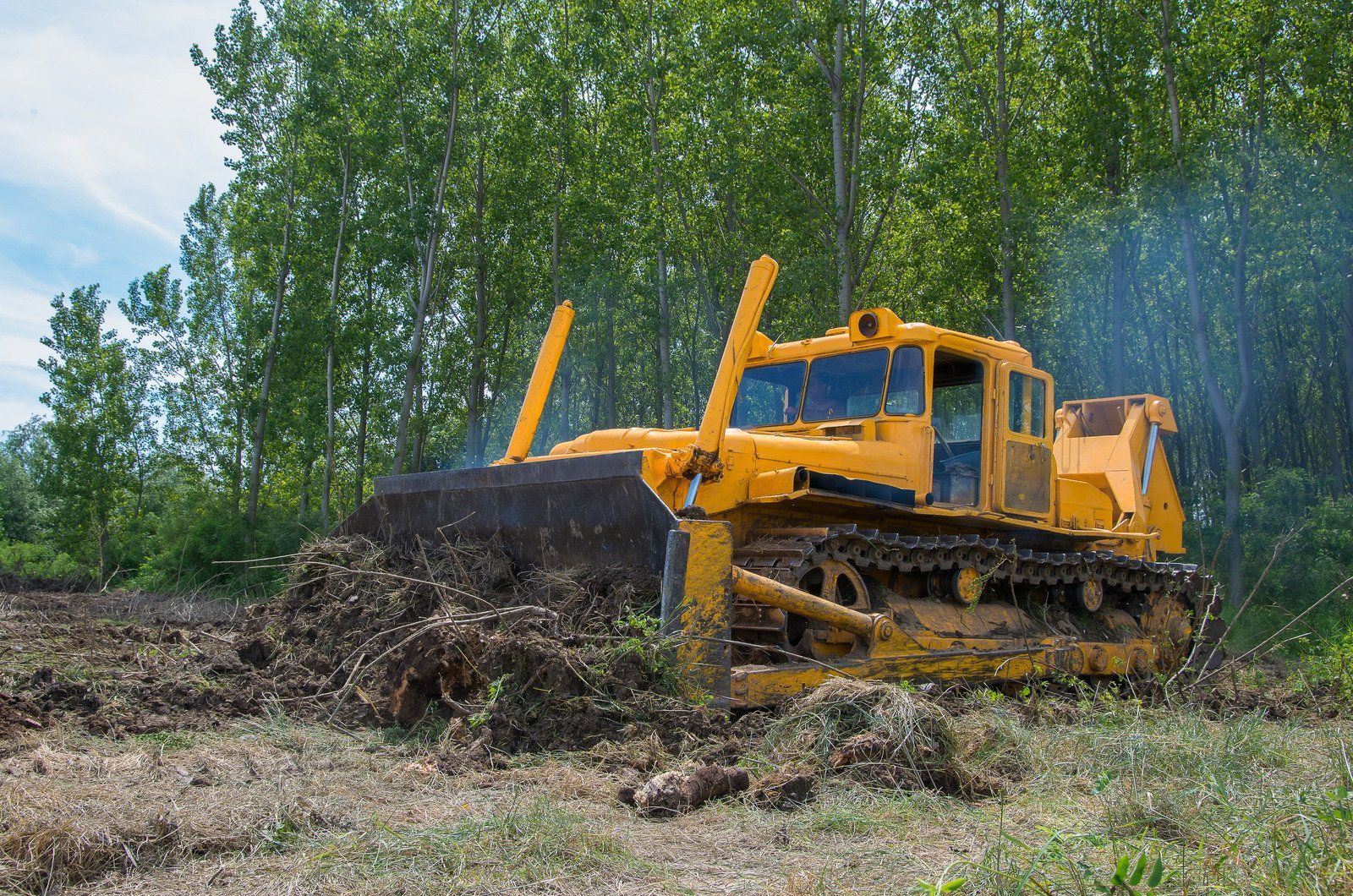
Preparing Land For Development, Agriculture, And Safer Access
Land clearing marks the beginning of transformation. Overgrown acreage, dense brush, fallen timber, and invasive vegetation often hide a property’s real potential. At Mid-TN Tree & Lawn Service, more than 25 years of hands-on experience guide every clearing project. Our team approaches land clearing with precision, safety, and respect for the land, using proven methods developed through decades of working across Middle Tennessee landscapes. Strategic removal eliminates obstacles while protecting valuable trees and maintaining
healthy ground conditions, turning unmanaged property into functional land prepared for future improvement while preserving the natural balance of the site.
Our work supports property owners throughout Lynnville, Tennessee, where rural landscapes, wooded acreage, and agricultural land require thoughtful preparation before development. Nearby communities, including Pulaski, Columbia, Lewisburg, and Cornersville often face similar challenges with dense undergrowth, storm-damaged trees, and neglected fields. Clearing land in this region requires understanding Middle Tennessee soil conditions, rolling terrain, and seasonal growth patterns. With the right preparation, properties across Giles and surrounding counties become safer, more accessible, and ready for construction, farming, fencing, or long-term landscape planning for future use.
Professional land clearing is more than cutting vegetation; it establishes the groundwork for everything that follows on a property. Thoughtful grading preparation, controlled brush removal, and responsible debris management protect soil health and improve long-term usability. Whether preparing acreage for new construction, expanding pasture, or reclaiming overgrown land, the process must balance efficiency with environmental awareness. With careful equipment operation and experienced planning, land clearing creates open, workable space while protecting the integrity of the surrounding landscape and supporting safer property access and future development.
Our Land Clearing Services
Brush And Undergrowth Removal
Brush and undergrowth removal eliminates dense vegetation that overwhelms fields, wooded lots, and neglected properties. Using specialized equipment, thick brush, invasive plants, and tangled growth are cleared efficiently, restoring visibility and accessibility while preparing land for landscaping, agriculture, fencing, or further site development and use.
Tree And Stump Removal
Tree and stump removal clears unwanted trees that restrict land use or interfere with construction plans. After trees are removed, remaining stumps are extracted or ground below surface level, preventing regrowth and ensuring the ground becomes smooth, stable, and ready for grading or development work.
Lot Clearing For Construction Preparation
Lot clearing prepares residential or commercial properties for building by removing trees, brush, debris, and surface obstacles across designated construction zones. The process creates open working space for foundations, utilities, driveways, and structures while protecting soil stability and maintaining organized project conditions for efficient construction.
Forestry Mulching
Forestry mulching converts trees, brush, and organic debris into nutrient-rich mulch directly on the ground surface. This method clears land while reducing hauling needs, minimizing soil disturbance, and returning organic material back into the soil, supporting healthier ground conditions after clearing operations across large properties.
Pasture And Field Clearing
Pasture and field clearing removes invasive brush, small trees, and overgrowth that limit agricultural productivity. Restoring open land improves sunlight exposure, encourages grass growth, and supports grazing livestock. Proper clearing also helps farmers expand usable acreage while maintaining manageable, productive farmland for long-term agricultural sustainability.
Selective Land Clearing
Selective land clearing removes targeted vegetation while preserving valuable trees and natural landscape features. This approach opens space for development or access without stripping the entire property. Careful planning ensures healthy trees remain protected while unnecessary growth is safely eliminated during controlled clearing operations onsite.
Benefits Of Professional Land Clearing
Improved Property Usability
Professional land clearing improves property usability by removing dense vegetation, fallen trees, and obstructive brush that limit access. Once obstacles disappear, land becomes easier to manage, develop, and maintain. Clear terrain supports safer movement of equipment, vehicles, livestock, and workers across previously difficult areas daily.
Reduced Fire Hazards
Effective clearing also reduces wildfire risk by eliminating excess brush, dead wood, and dry vegetation that can fuel fast-spreading fires. Removing hazardous buildup improves property safety while creating defensible space around structures, fences, and roadways, especially in rural environments where vegetation can quickly accumulate season.
Healthier Vegetation Growth
Land clearing encourages healthier plant growth by removing invasive species and overcrowded vegetation that compete for nutrients, sunlight, and water. Once space opens, desirable grasses, trees, or crops can establish stronger root systems, improving soil balance and supporting sustainable landscape management over time for productivity.
Improved Drainage Conditions
Clearing land improves drainage by removing heavy vegetation and debris that block natural water flow. Improved drainage reduces standing water, soil erosion, and muddy conditions while supporting healthier soil structure. Properly cleared land handles rainfall more effectively and reduces long-term ground instability across the property.
Efficient Construction Preparation
Preparing land before construction improves project efficiency by eliminating obstacles that slow excavation, foundation work, or infrastructure installation. Contractors gain open access to the site, which allows equipment to move freely and reduces delays that often occur when unmanaged vegetation interferes with building preparation work.
Increased Property Value
Thoughtful clearing enhances property value by transforming neglected land into a functional, attractive space suitable for development, recreation, or agriculture. Buyers and investors recognize the advantage of prepared land because it reduces future labor, simplifies planning, and reveals the full potential of the property for growth.
Efficient Clearing Creating Open Functional And Usable Land
Transforming overgrown land into usable space requires more than heavy equipment; it requires planning, environmental awareness, and experience working with diverse terrain. Every clearing project should support the long-term vision for the property, whether that vision includes construction, farming, recreation, or improved accessibility. Thoughtful clearing protects soil structure, preserves important landscape features, and creates safe working conditions for future development.
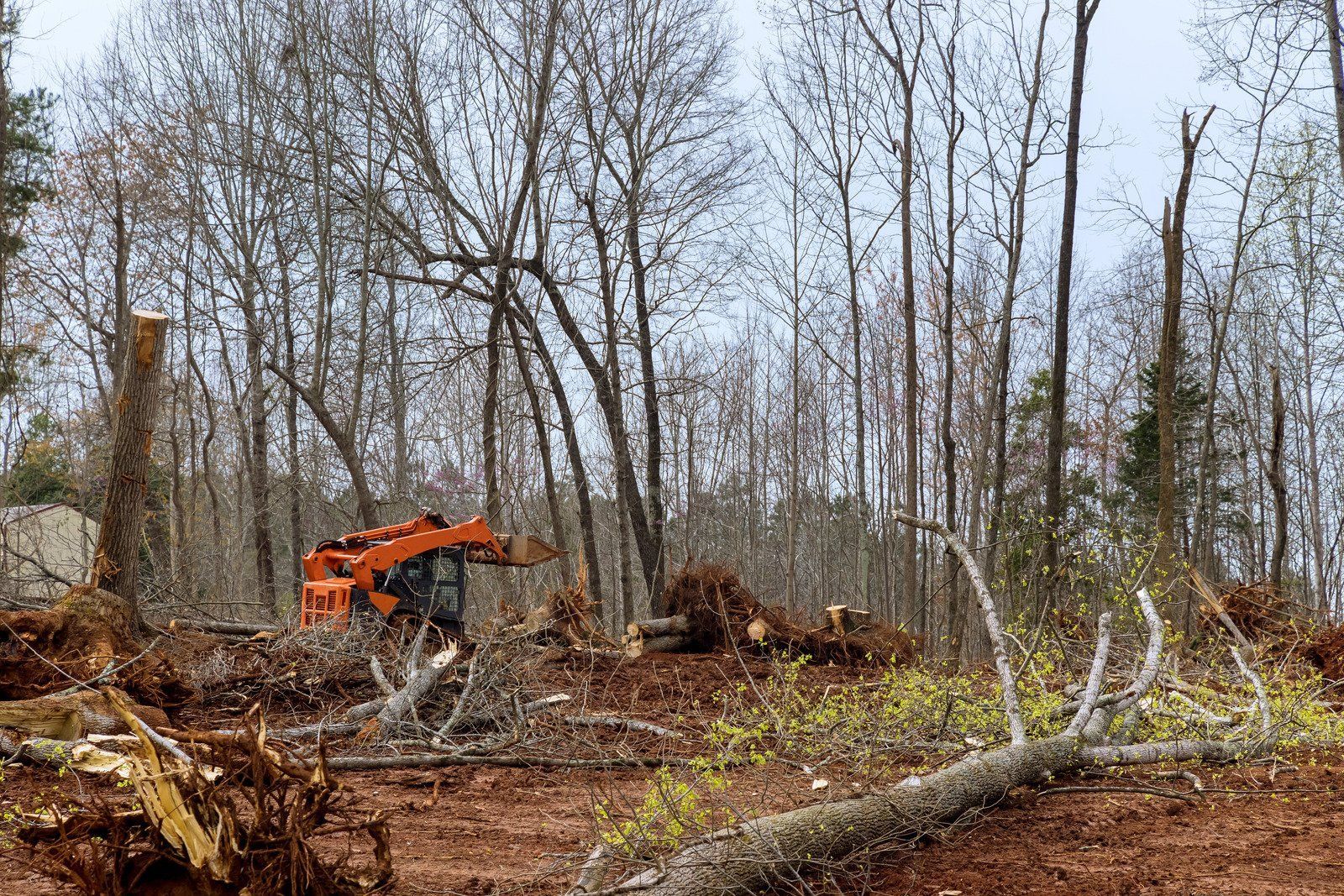
At Mid-TN Tree & Lawn Service in Lynnville, Tennessee, land clearing reflects a commitment to careful preparation and responsible land stewardship. By removing obstacles, controlling vegetation, and preparing the ground properly, properties gain a strong foundation for whatever comes next. Open land allows builders, landowners, and planners to move forward confidently, knowing the property is stable, accessible, and ready for productive use.
Frequently Asked Questions
What is the purpose of land clearing?
Land clearing prepares property for construction, farming, landscaping, or easier access. It removes unwanted vegetation, fallen timber, and brush that restrict land use. Clearing also improves drainage, visibility, and safety while creating open ground that supports grading, fencing, building preparation, and responsible land management planning.
How long does a land clearing project take?
Project timelines depend on acreage size, vegetation density, terrain, and equipment accessibility. Smaller residential lots may be cleared within a day, while larger wooded properties often require several days. Careful planning ensures the process moves efficiently while maintaining safety and protecting surrounding land conditions.
Do all trees need to be removed during clearing?
Not every clearing project requires removing all trees. Selective clearing allows healthy or desirable trees to remain while brush, invasive plants, and hazardous growth are removed. This method preserves natural shade, improves landscape balance, and protects soil stability while opening usable space.
What equipment is used during land clearing?
Land clearing commonly involves specialized equipment such as forestry mulchers, excavators, skid steers, and brush cutters. Each machine handles different vegetation types and terrain conditions, allowing crews to remove growth efficiently while minimizing soil disturbance and maintaining safer working conditions across the property.
What happens to debris after clearing is completed?
Debris generated during land clearing can be mulched, chipped, or removed depending on the project plan. Mulching returns organic nutrients back into the soil, while removal creates fully open land. The chosen approach depends on development goals, terrain conditions, and future property use.
Is land clearing considered dangerous work?
Land clearing involves heavy equipment, falling timber, and uneven terrain, making safety an important priority. Proper planning, controlled equipment operation, and protective procedures reduce risk. Careful site assessment ensures the clearing process protects workers, surrounding property, and the stability of the land.
Do land clearing projects require permits?
Permit requirements vary depending on local regulations, project size, and environmental considerations. Properties near waterways, protected habitats, or municipal zones may require approvals before clearing begins. Verifying requirements beforehand helps avoid delays and ensures the project follows local land-use guidelines and environmental standards.
What should happen after land clearing is finished?
After clearing is completed, the property is typically prepared for grading, soil improvement, fencing installation, or construction planning. Open land allows better evaluation of terrain and drainage. These next steps help property owners move forward with development or agricultural use more efficiently.
What our customers have to say...
Testimonials
Reasonably priced and showed up on time.
Eliza D.
Awrsome job! Quick, reasonable and very professional!
Jaxie B.